The Legacy of The Godfather: How Coppola’s Masterpiece Changed Cinema
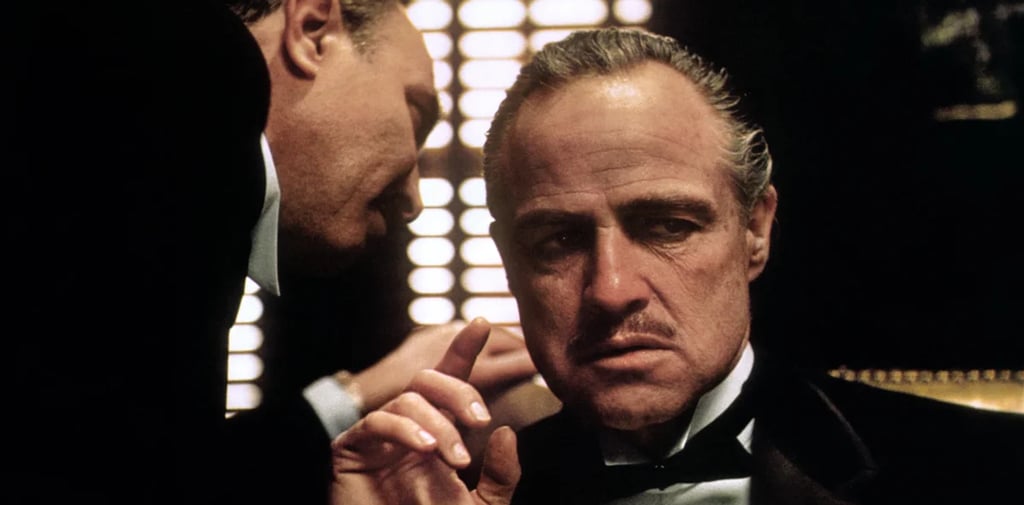
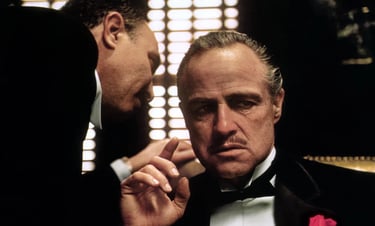
“I’m gonna make him an offer he can’t refuse.”
Few films have had the cultural impact of The Godfather. Released in 1972, Francis Ford Coppola’s adaptation of Mario Puzo’s novel became an instant classic, cementing Marlon Brando, Al Pacino, and Robert Duvall as screen legends and reshaping the gangster genre forever.
Why It’s Iconic
Humanising the Mafia: The Godfather wasn’t just about crime—it was about family, loyalty, and the blurred line between business and morality.
Cinematic Innovations: Coppola’s use of lighting, symbolism, and pacing set a new standard for modern cinema.
Cultural Influence: The film gave us lines, gestures, and imagery that live on today in memes, parodies, and even business language (“going to the mattresses”).
Trivia You Didn’t Know
Brando stuffed his cheeks with cotton balls for the audition but later used a mouthpiece to create Don Vito Corleone’s signature look.
The studio originally didn’t want Al Pacino, considering him “too short” for the role.
Paramount almost fired Coppola multiple times during production, but the film went on to win 3 Oscars.
Why It Still Matters
The Godfather isn’t just a movie—it’s a cultural landmark. Its exploration of power, family, and corruption remains as relevant today as it did over 50 years ago.
Bring the Godfather Home
Our Godfather Comic Icons Canvas captures the gravitas of the film in bold comic style, complete with one of its most famous quotes. It’s not just wall art—it’s a piece of cinematic history for your living room.

© 2026 COMIC STRIP CANVAS. All rights reserved.
For all the latest news, deals and more .......... SIGN up to our newsletter below